
How I Paint: Intuition, Precision, and Everything Between
For more than 15 years, I worked as a graphic designer and art director. Every detail had a reason, every layout had a plan, and nothing went out the door by accident.
Watercolor pulled me in the opposite direction. Paint moves on its own, and some of my favorite moments happen when I stop steering and let it reveal itself.
After almost nine years of painting in watercolor, I worried I didn't have a “defined style.”
Then I realized, I actually just have three approaches. Some pieces are fully intuitive, some are carefully planned, and some live in between. Naming them helped me understand my own practice, and I hope it helps you see my work a little differently too.
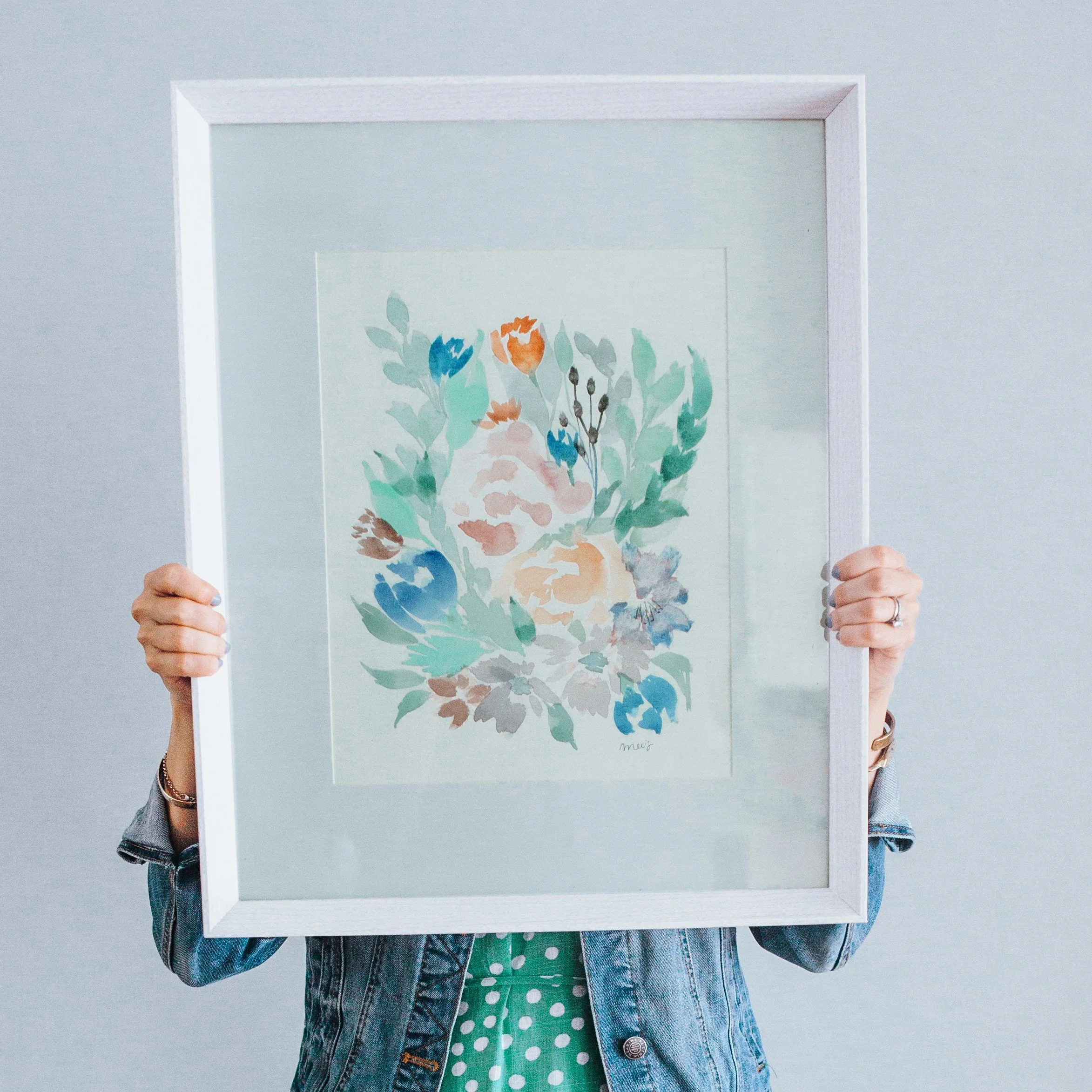
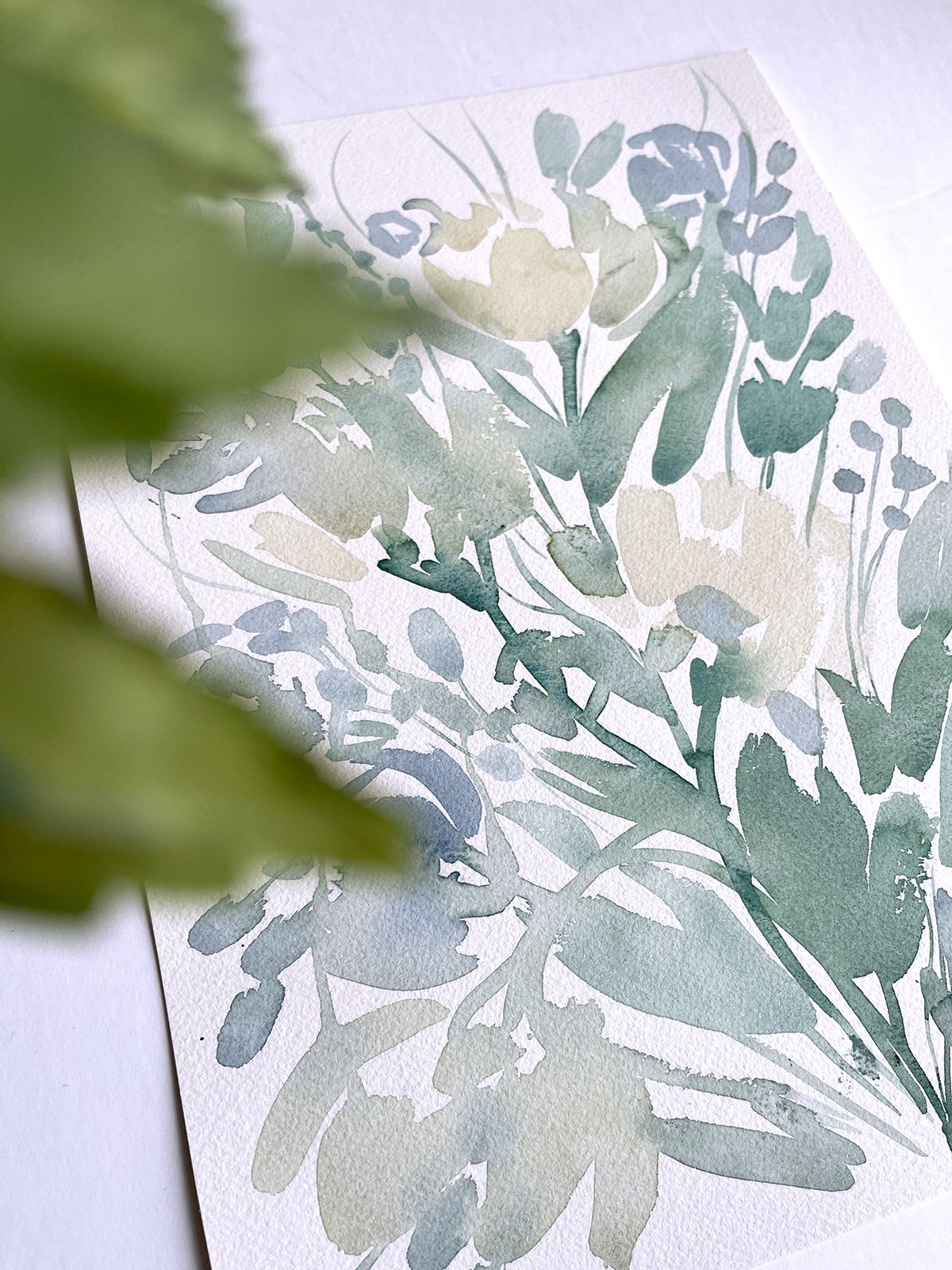
1. Intuitive: usually my loose florals
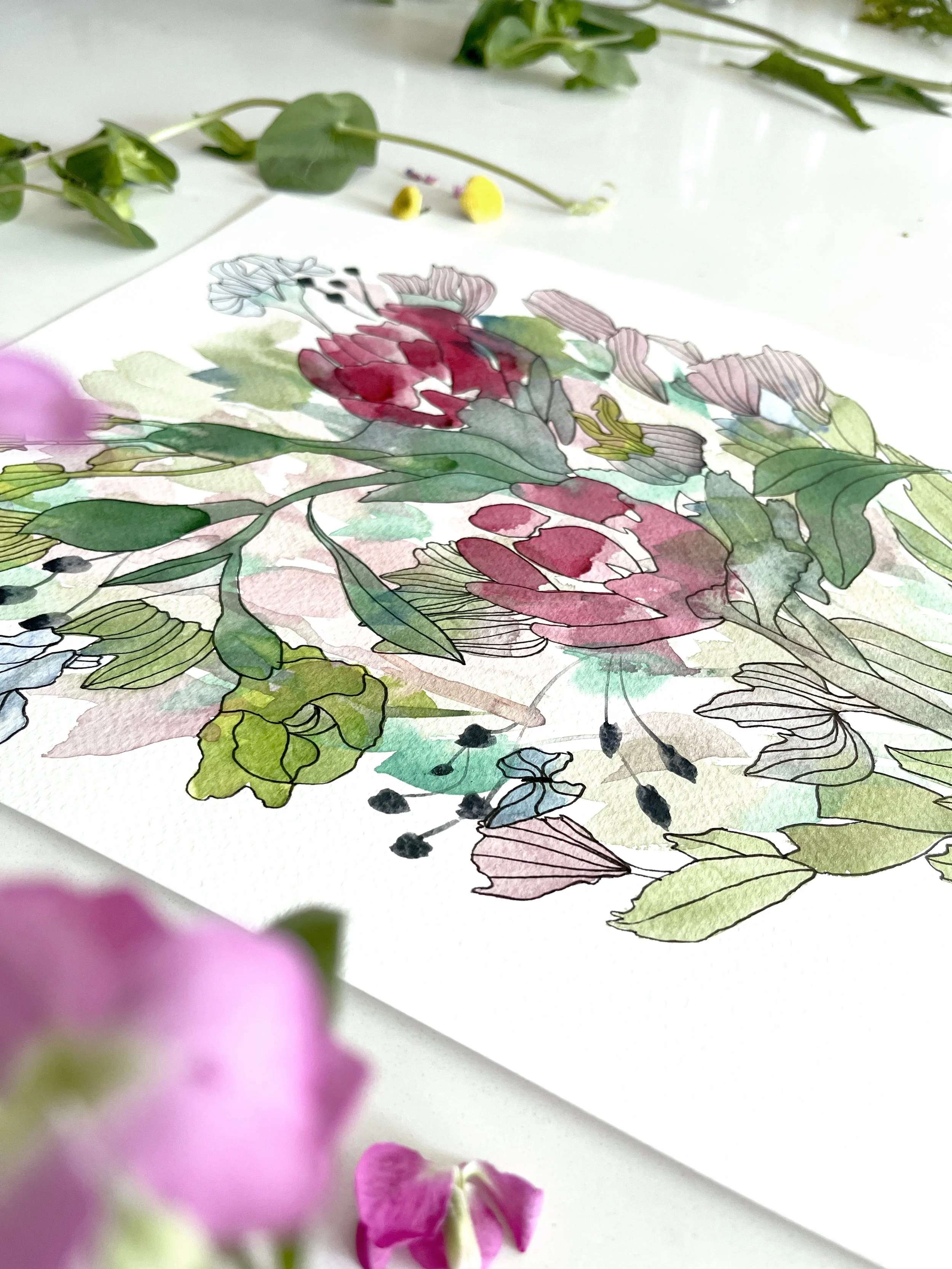
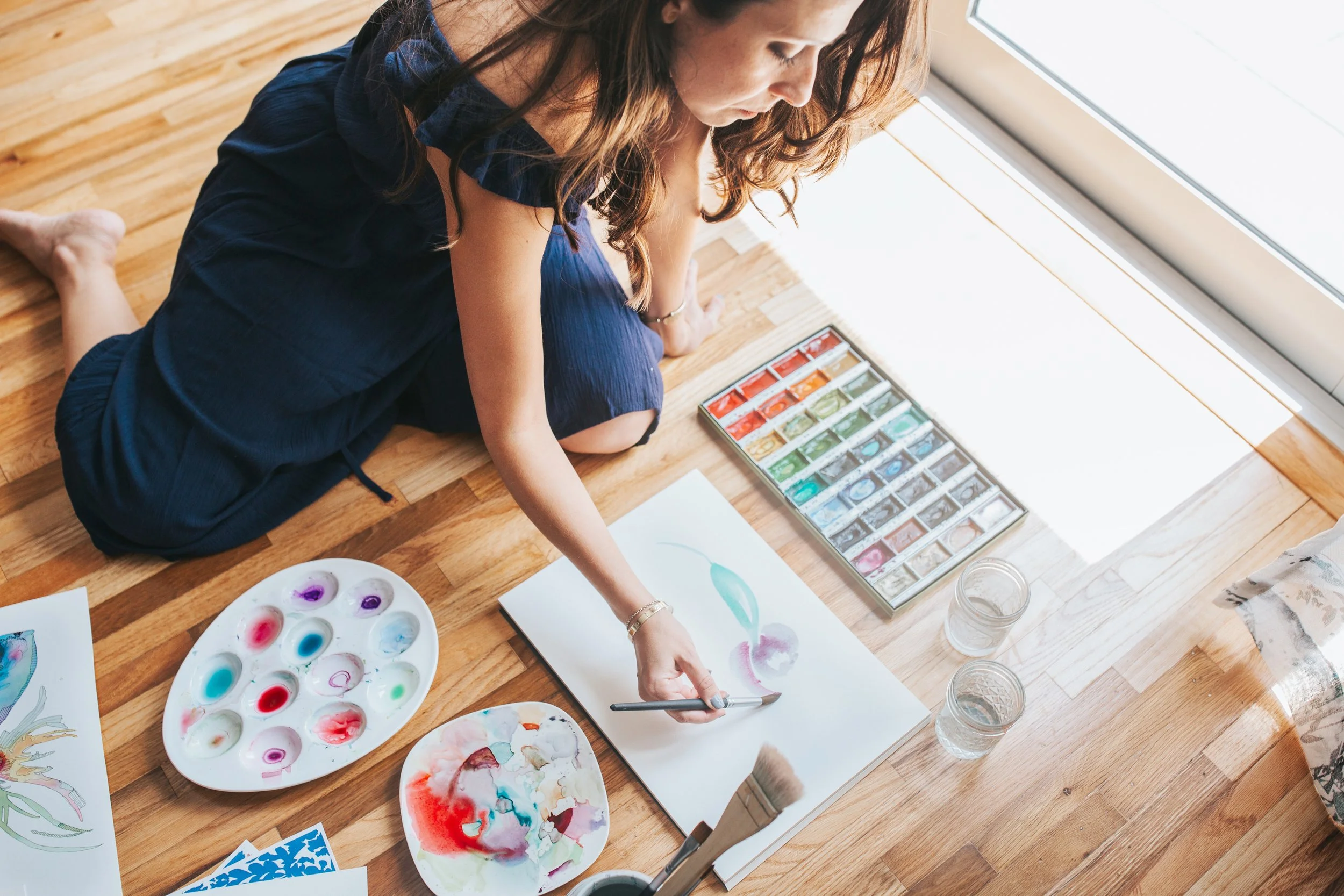
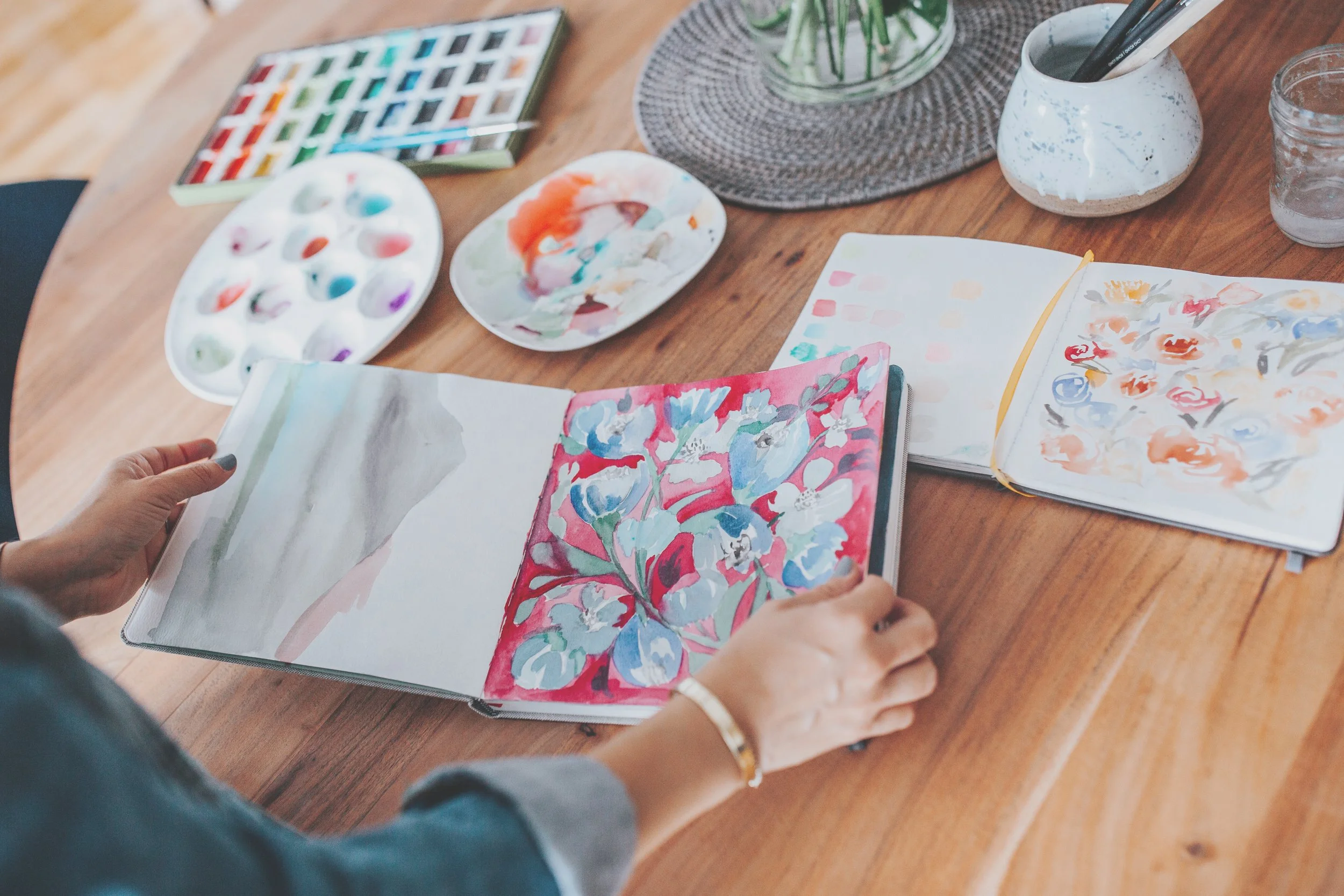
Not only is this how I first started painting in watercolor, it's what I always come back to when I'm feeling rusty or in the mood to experiment with color. When I paint intuitively, each decision about color, shape, or placement comes from reacting to what's already on the surface: a color that wants a complement, an area that feels too busy.
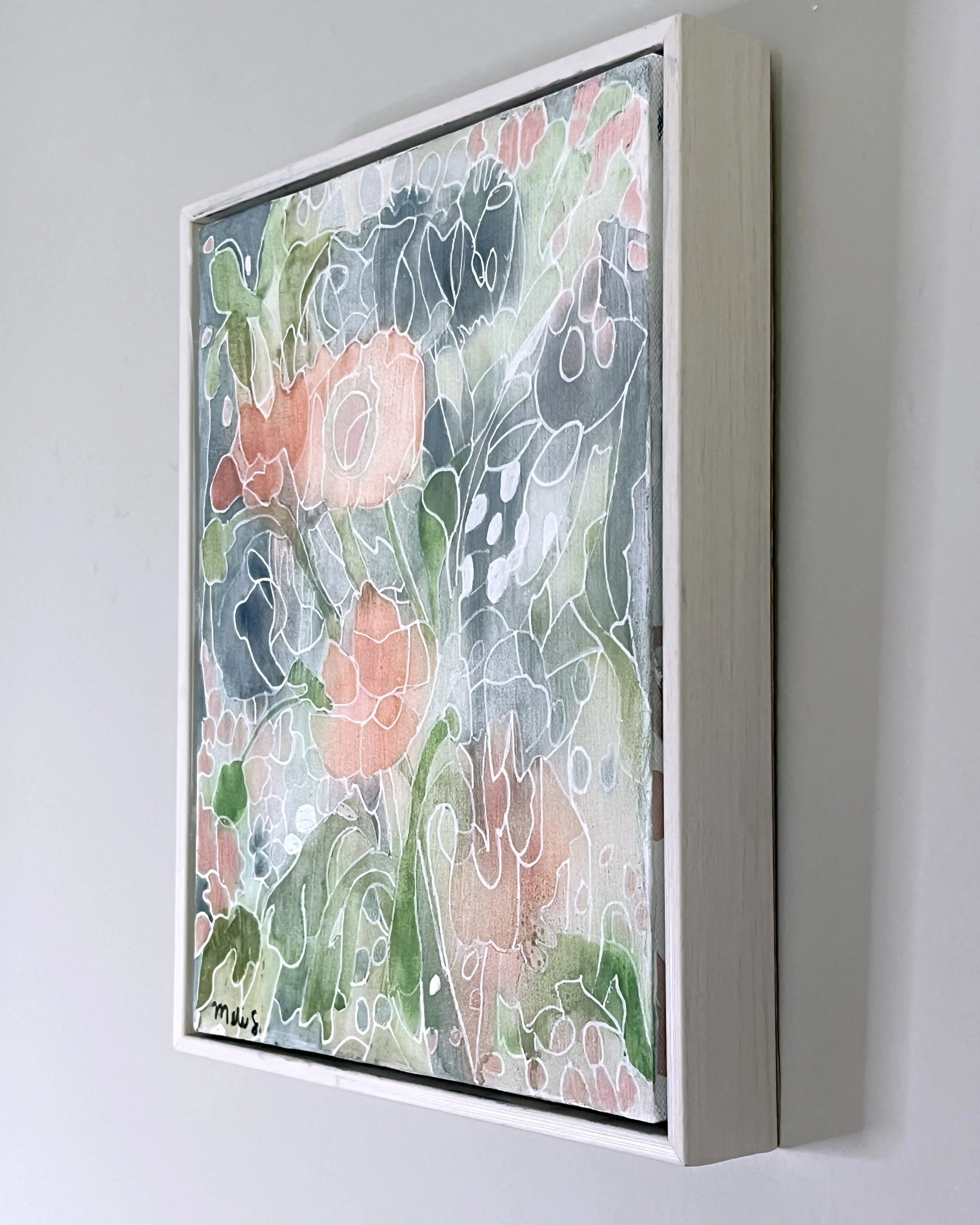
My loose floral paintings always start without a sketch, and I rarely work from a reference. I lay down color, watch what it does, and respond. A bloom might suggest a petal, a drip might become a stem, and the composition finds itself as I go. At this point it's almost muscle memory. That first flower or leaf almost always starts in the same part of the page. (Somewhere in the center and slightly to the left… to be exact.)
When a painting starts feeling especially layered or chaotic, that's where I tend to bring in line work. It's like I'm slowly carving out and making sense of the image.
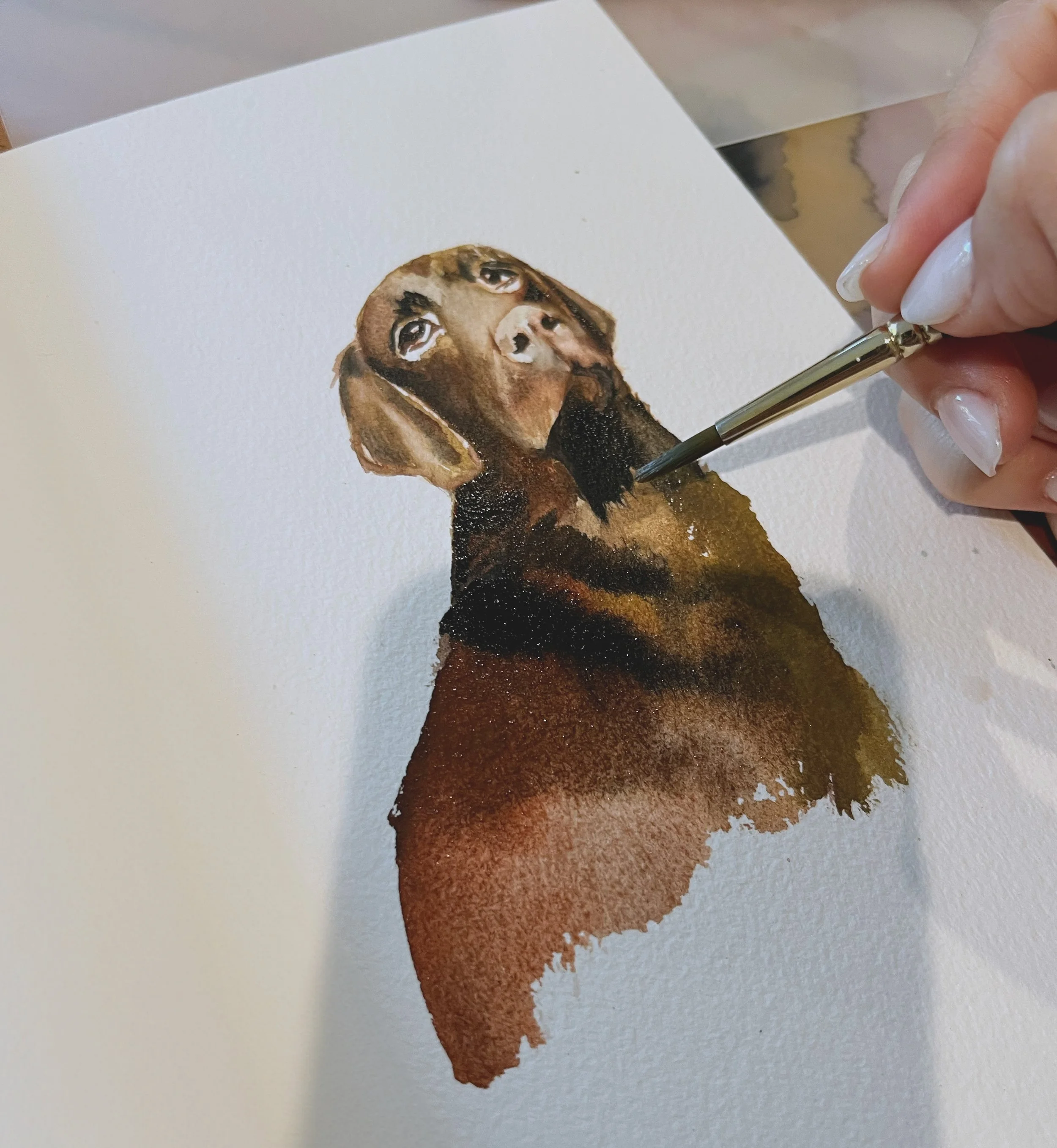
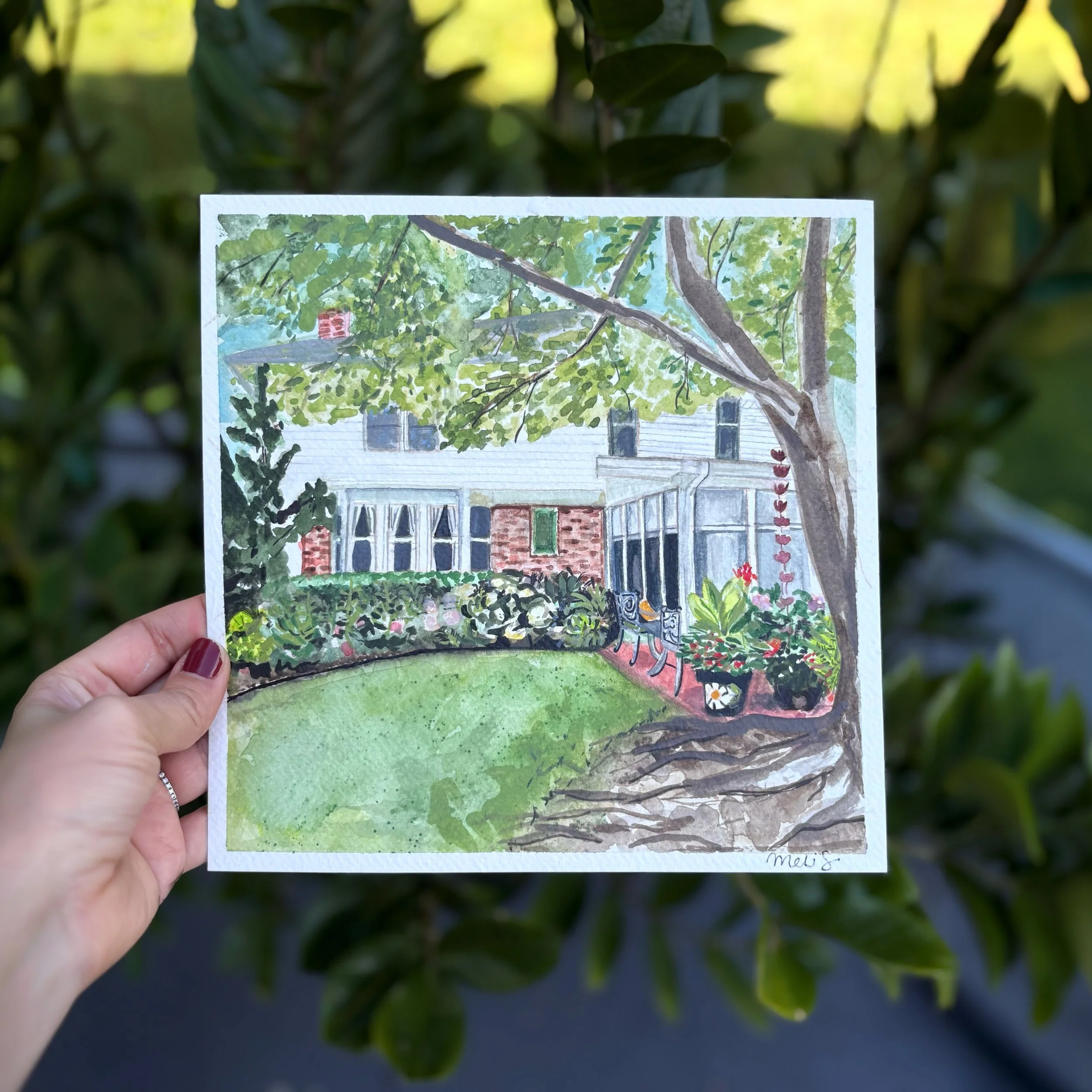
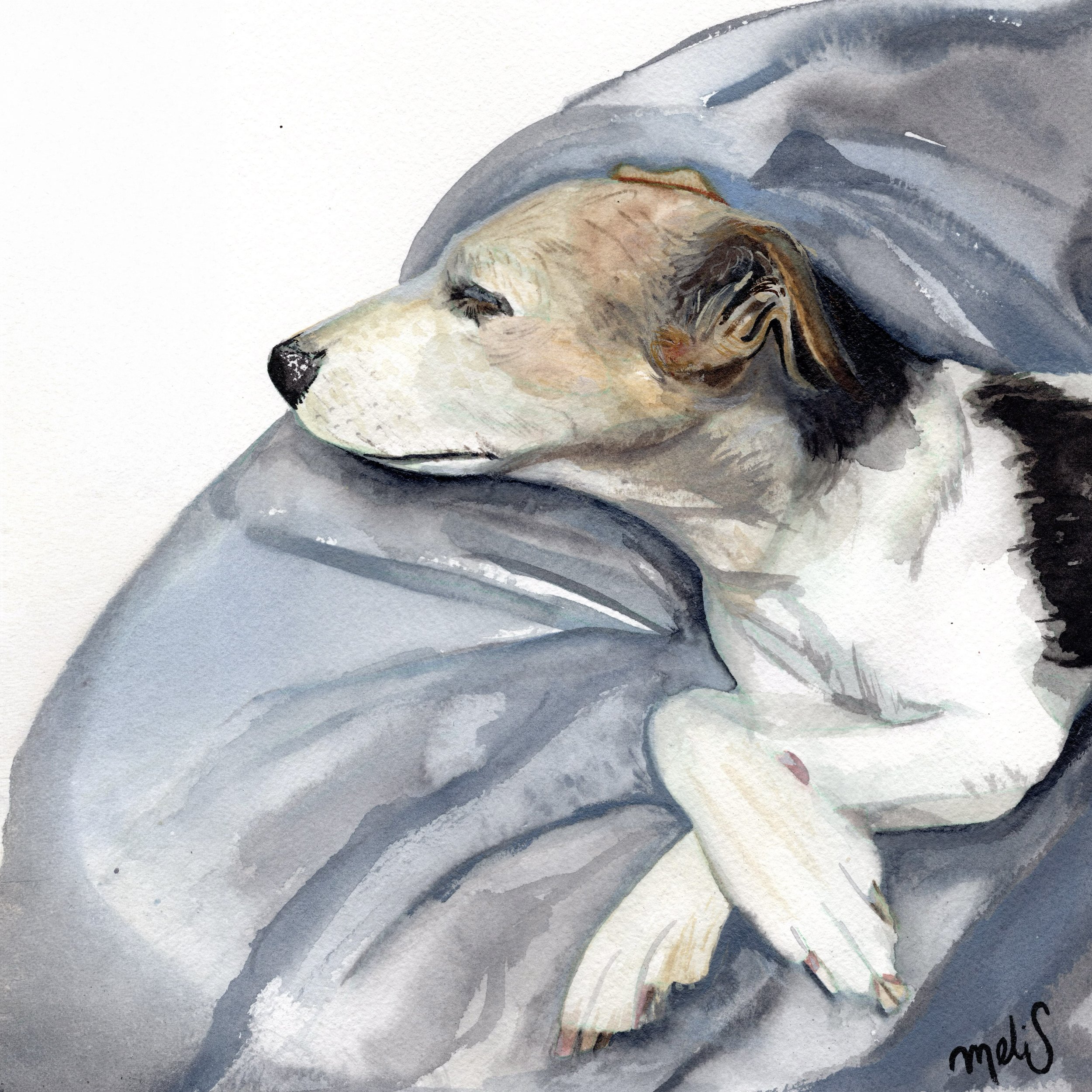
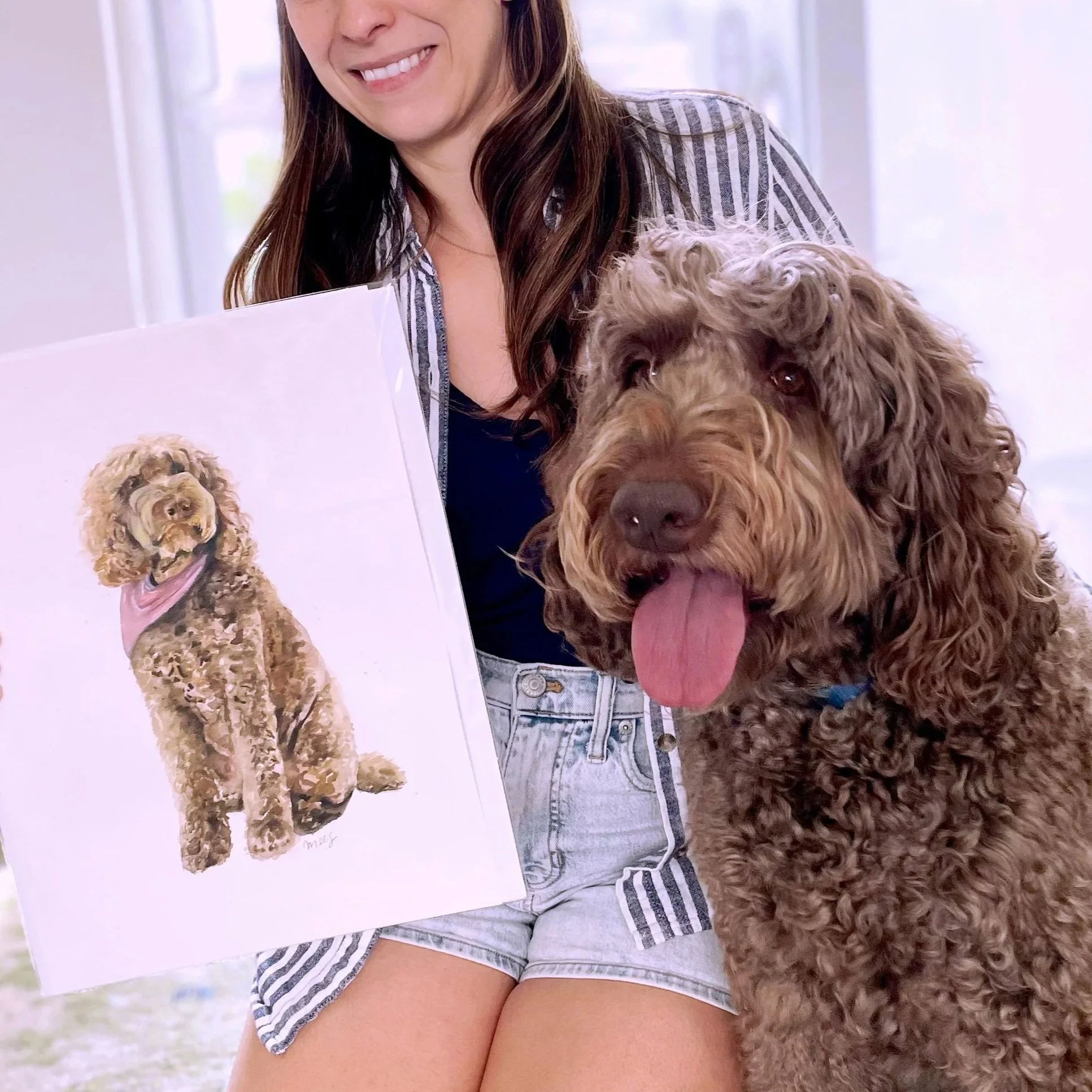
2. Planned: commissioned portraits
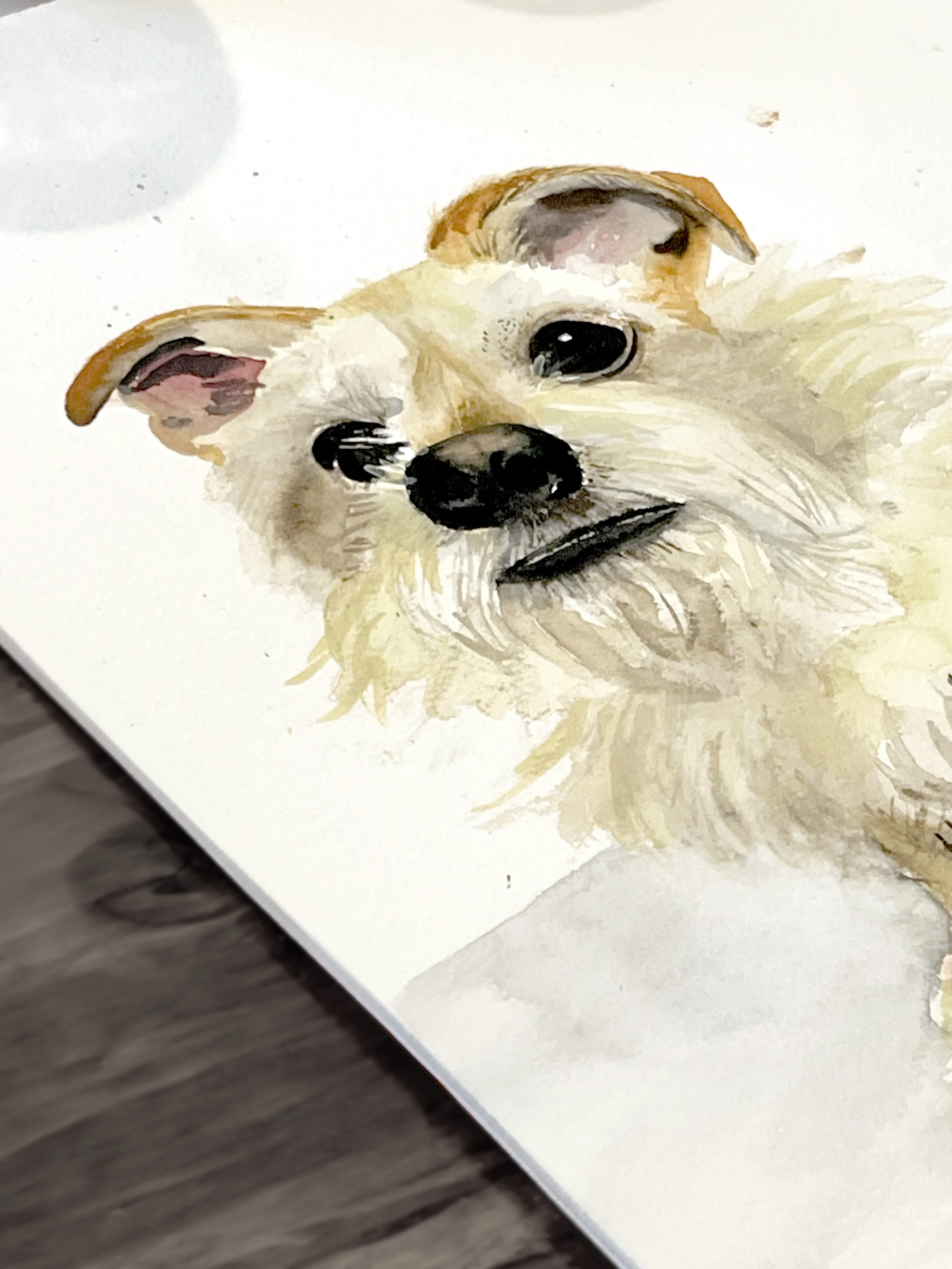
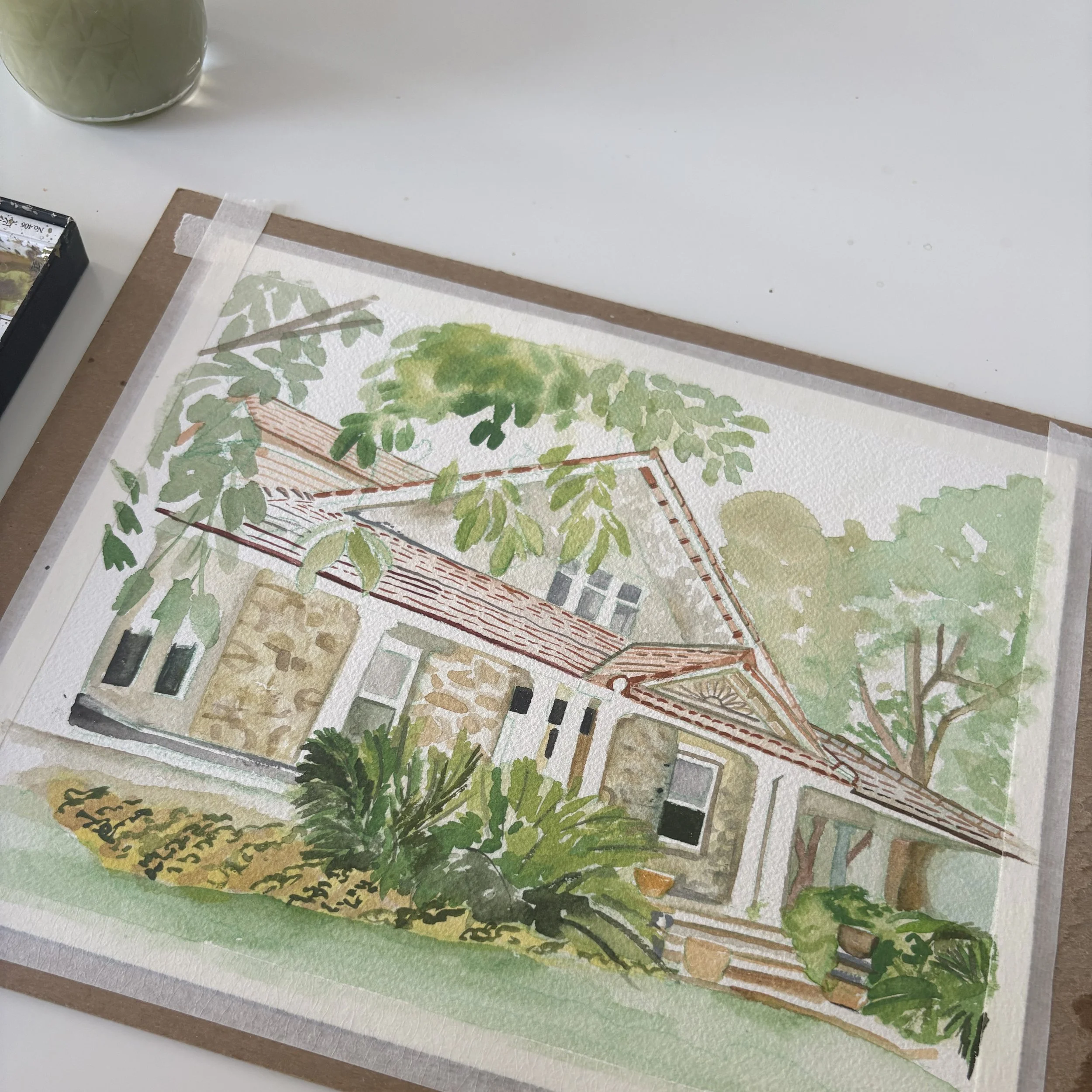
My portrait commissions sit at the other end. When I paint someone's pet or their home, I work from a reference photo and slow everything down. The goal is to capture what makes that subject theirs, down to the small details they'd recognize anywhere. It might be an expression on their face, or a whimsical decorative detail that has a story only they know.
This is where my design background shows up most. It takes patience and observation, and I love the trust that comes with painting something so meaningful to someone else.
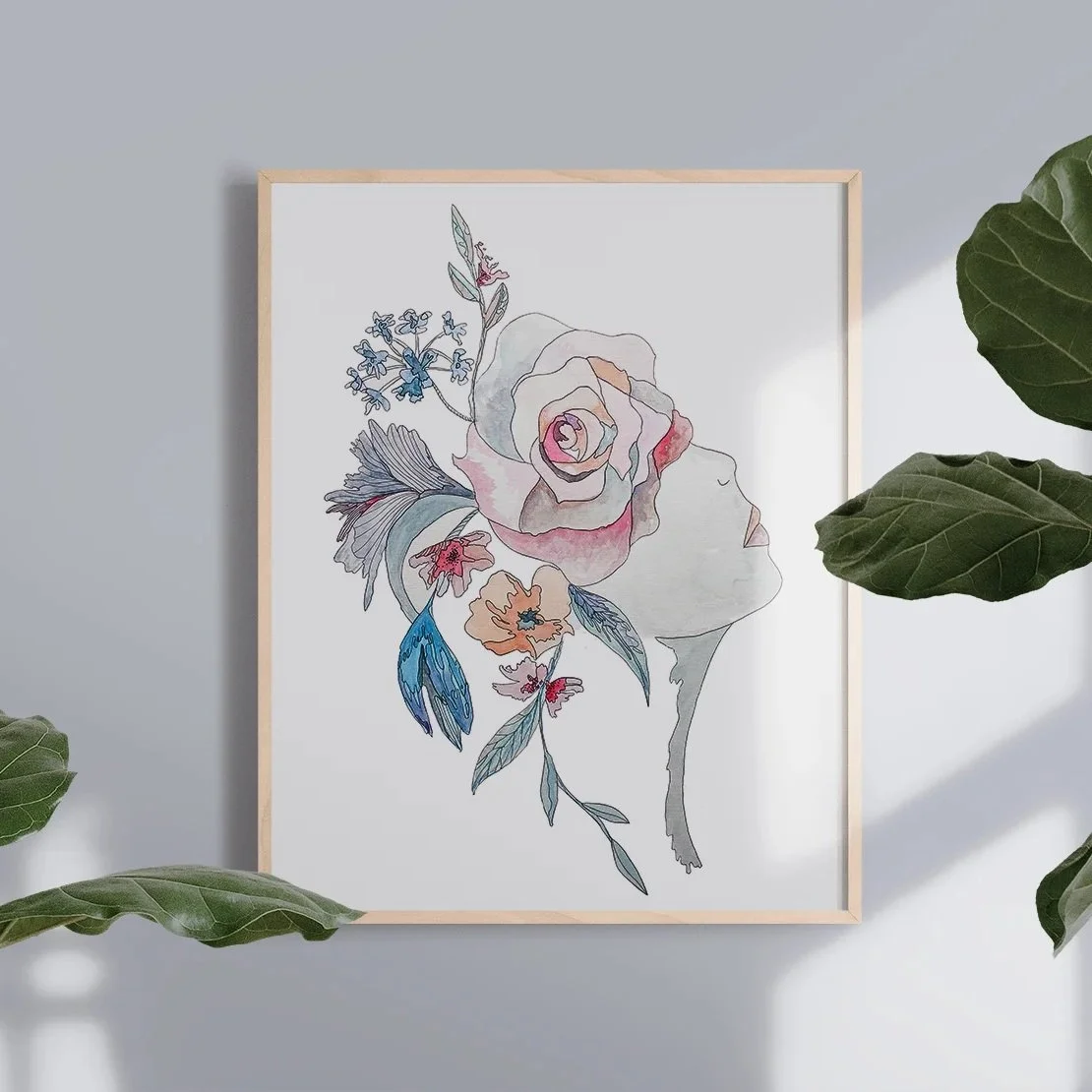
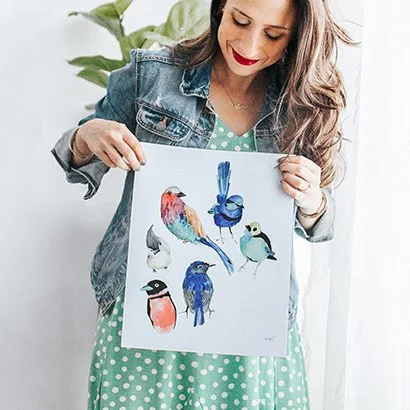
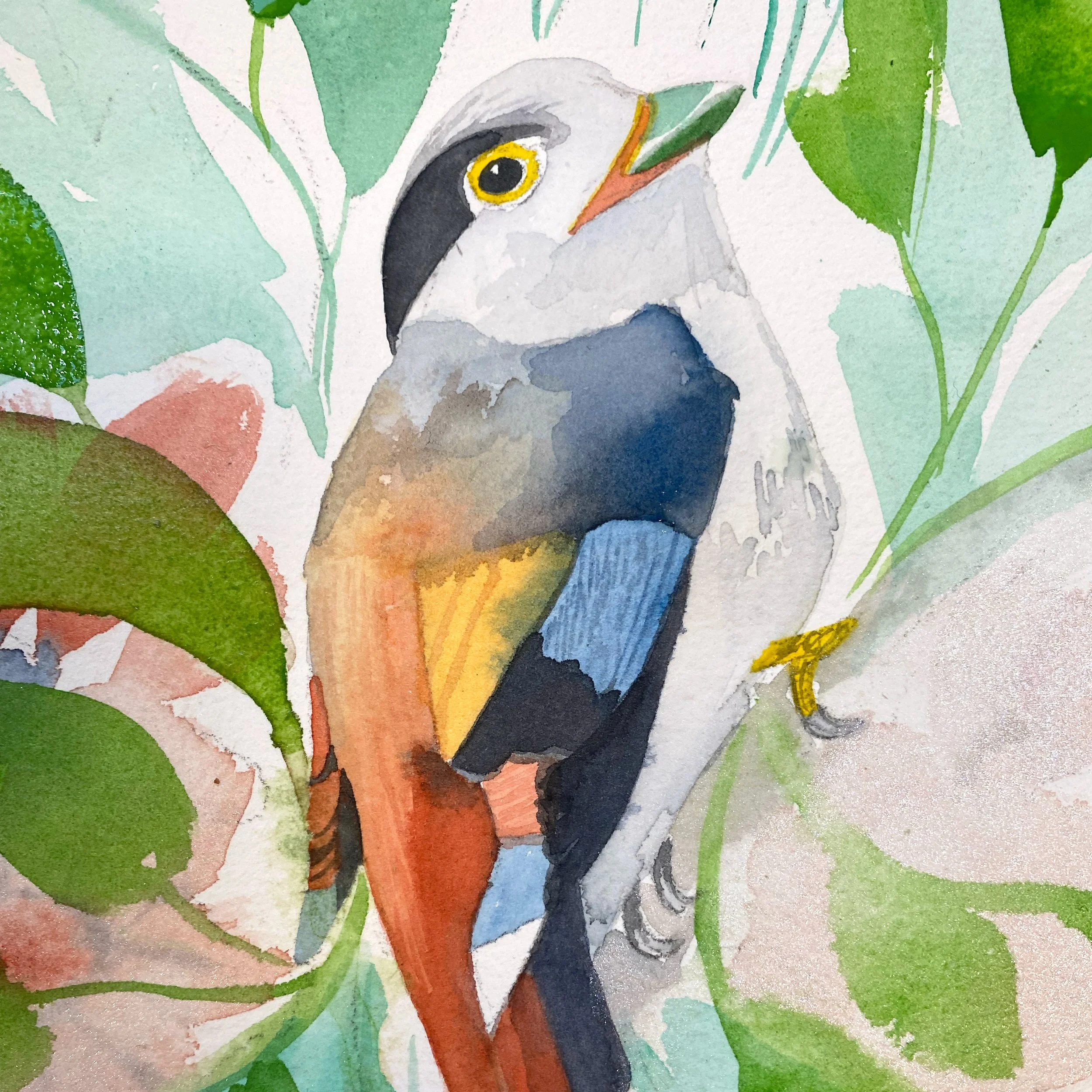
3. In between: birds and feminine figures
The third way of working borrows from both. My birds and feminine figures start with a plan, usually a shape or a face I've thought through. Once that structure is in place, I let go and let the rest grow intuitively: florals, organic shapes, color, pattern, and delicate pen work.
These pieces ask for two kinds of thinking at once, so they take me longer to settle into. They're also where the planner and the intuitive painter in me finally meet, which is why they often feel the most personal. My Muse series came from this way of working, and I'll share more about it in a future post.



Why I keep all three
Each way of painting feeds the others. The commissions keep my hand precise, the florals keep me loose, and the pieces in between let me bring both together.
If you've followed my work for a while, you may start to notice which way each piece was made. I'd love to hear which one you're most drawn to.